Polycrystalline Diamond Compact

PDC CUTTERS

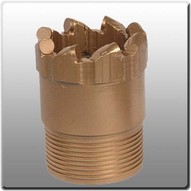
Made from tungsten carbide substrate and synthetic diamond grit. It is made using a combination of high temperature and high pressure with catalyst of cobalt alloy to help bond diamond and carbide during the sintering process.

Featured High Wear Resistance, Great Impact Resistance and High Thermal Stability, widely applied for Oil Drilling and Mining worldwide.

PDC DRILL BITS

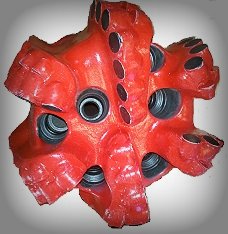
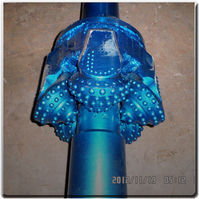
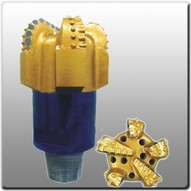
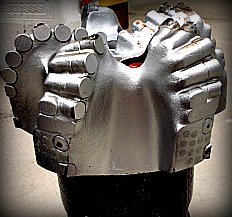
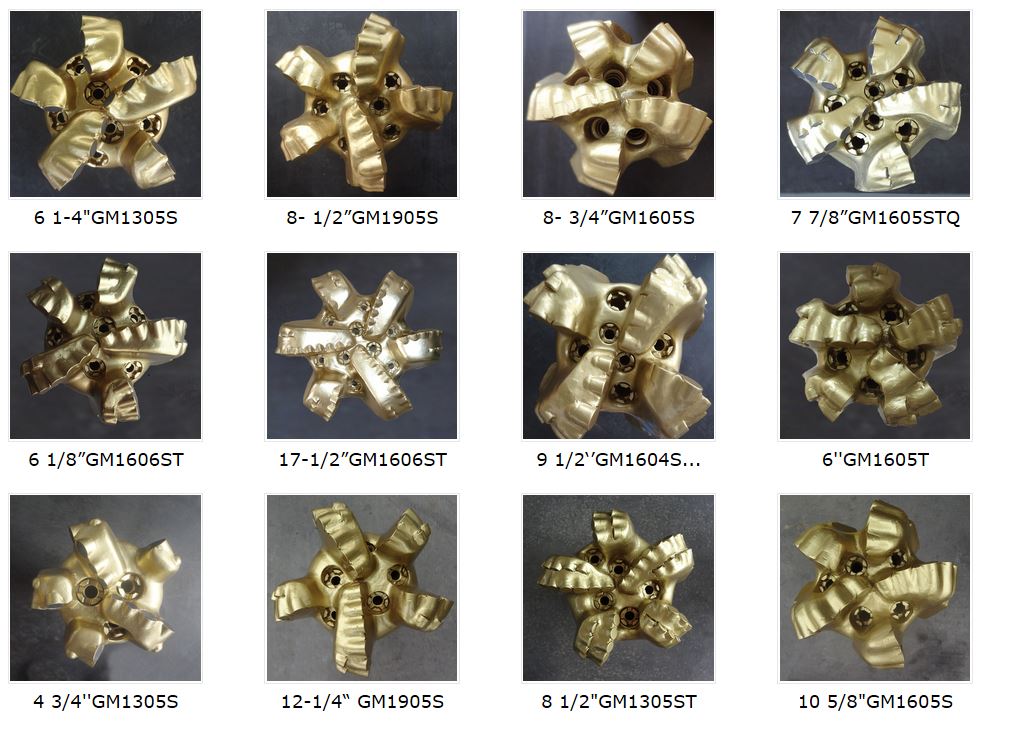
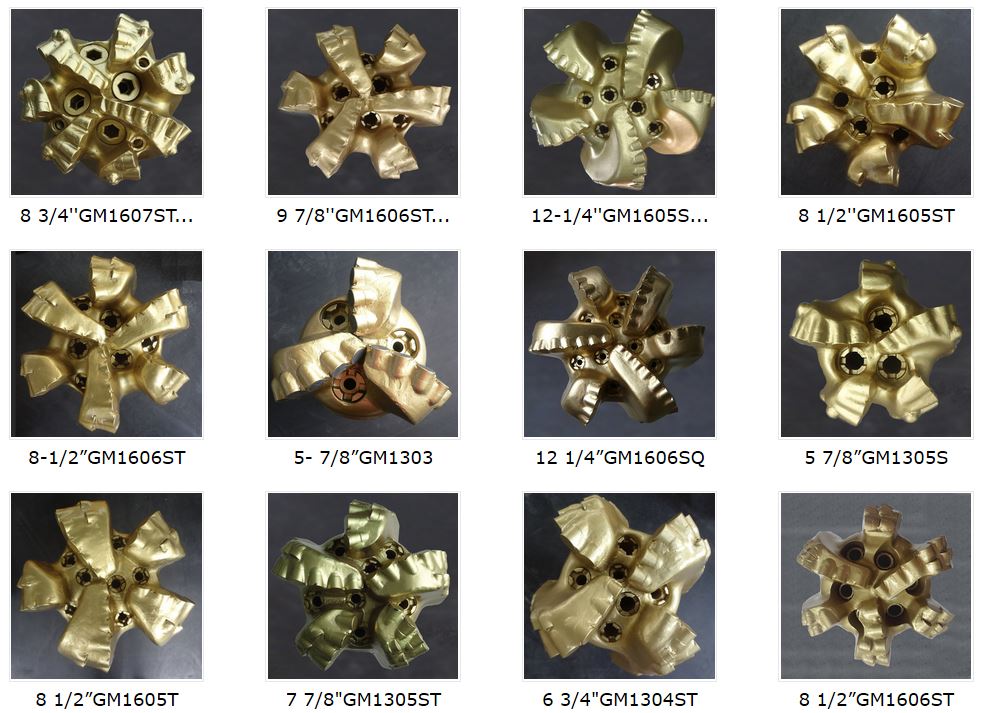
PDC bits are also known as fixed cutters because, unlike the tricone bit, there is no movement relative to the bit head. PDC bits shear rock with diamond faced pdc cutters affixed to tungsten carbide.

PDC cutters are created with high heat and high pressures. This creates a polycrystalline diamond compact. PDC cutters come in a variety of thicknesses for applications ranging from mining to oilfield.

PDC bits are used extensively in directional drilling. Directional drilling is used effectively in inland and offshore oil drilling, and natural gas drilling.

Fixed cutter bits are dull graded in the same way as tricones using the IADC Dull Grading Classification System.

Matrix OR Steel Body

PDC drill bits, or fixed cutters, come in either matrix or steel body. Additionally, they are typically more heavy set as far as cutter count.

Matrix Body Bits

In applications of high fluid volume or high sand, matrix body bits offer longer life and multiple bit runs. Cost is a major factor in drilling a well. Because tungsten carbide is more expensive than steel and matrix bodies generally contain more cutters, matrix is generally more expensive.

Steel Body Bits

Steel body fixed cutters are made from a high alloy steel. These bits can sometimes be repaired and may be good for multiple runs, depending on the application. Because steel is better able to withstand high impact, steel body bits are often designed with higher blade stand-off and cutter exposure, thus increasing ROP.

HOW PDC CUTTERS ARE MADE

PDC cutters are made using a combination of high heat and high pressure. Man made diamonds can be grown in 5-10 minutes. Because of this diamond content, a fixed cutter bit may also be known as a diamond drill bit.

High heat plus pressure creates a polycrystalline diamond compact. Cutters are made from a carbide substrate and diamond grit. High heat of around 2800 degrees and high pressure of approximately 1,000,000 psi forms the compact. A cobalt alloy is also present and acts as a catalyst to the sintering process. The cobalt helps bond the carbide and diamond.

During the cooling process, the tungsten carbide shrinks at a rate of 2.5 times faster than the diamond. Controlling this stress, as with most aspects of PDC cutter design, is called Intellectual Property, and manufacturers rarely, if ever, share their secrets.
PDC CUTTERS FOR OIL & GAS DRILLING AND COAL MINING

PDC Cutters consist of diamond grit and tungsten carbide substrate, it well combines advantages of both diamond and tungsten carbide and featured as high abrasion resistant, high impact resistant and high thermal stable.

SPEC SHEET – OIL & GAS DRILLING PDC CUTTERS

Dimension Code Diameter (ØD/mm) Height Total (H/mm) Diamond Height (mm) Diamond Chamfer (mm) Carbide Chamfer (mm)
1919 19.05±0.05 19.0±0.10 2.0-2.5 0.5x45° 0.8x45°
1916 19.05±0.05 16.0±0.10 2.0-2.5 0.5x45° 0.8x45°
1613 15.88±0.05 13.2±0.10 2.0-2.5 0.5x45° 0.8x45°

SPEC SHEET – COAL MINING PDC CUTTERS

Dimension Code Diameter (ØD/mm) Height Total (H/mm) Diamond Height (mm) Diamond Chamfer (mm) Carbide Chamfer (mm)
1308 13.44±0.05 8.0±0.10 2.0±0.2 0.3x45° 0.6x45°
1304 13.44±0.05 4.5±0.10 2.0±0.2 0.3x45° 0.6x45°
1008 10.00±0.05 8.0±0.10 2.0±0.2 0.3x45° 0.6x45°

* Customized Specifications Upon Request

OPTIMALLY POSITIONED AND ORIENTATED TEETH

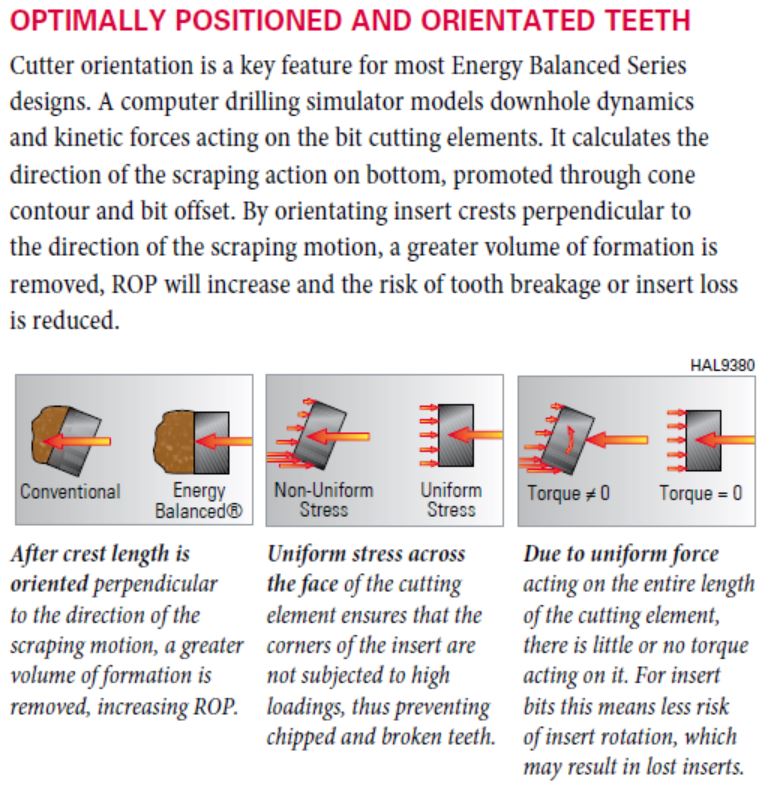
Cutter orientation is a key feature for most Energy Balanced Series designs. A computer drilling simulator models downhole dynamics and kinetic forces acting on the bit cutting elements.

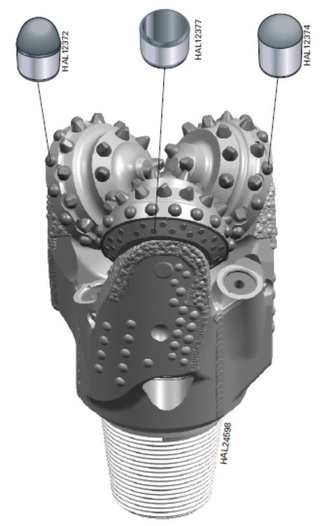
It calculates the direction of the scraping action on bottom, promoted through cone contour and bit offset. By orientating insert crests perpendicular to the direction of the scraping motion, a greater volume of formation is removed, ROP will increase and the risk of tooth breakage or insert loss is reduced.